.png?h=455&iar=0&w=1182&rev=d74e300da7ba4627bde32b9c768419b5)


Acclaim® Bay and Bow Replacement Windows
Learn
Watch
Gallery

Expand your home’s possibilities.
Acclaim® Bay and Bow Windows
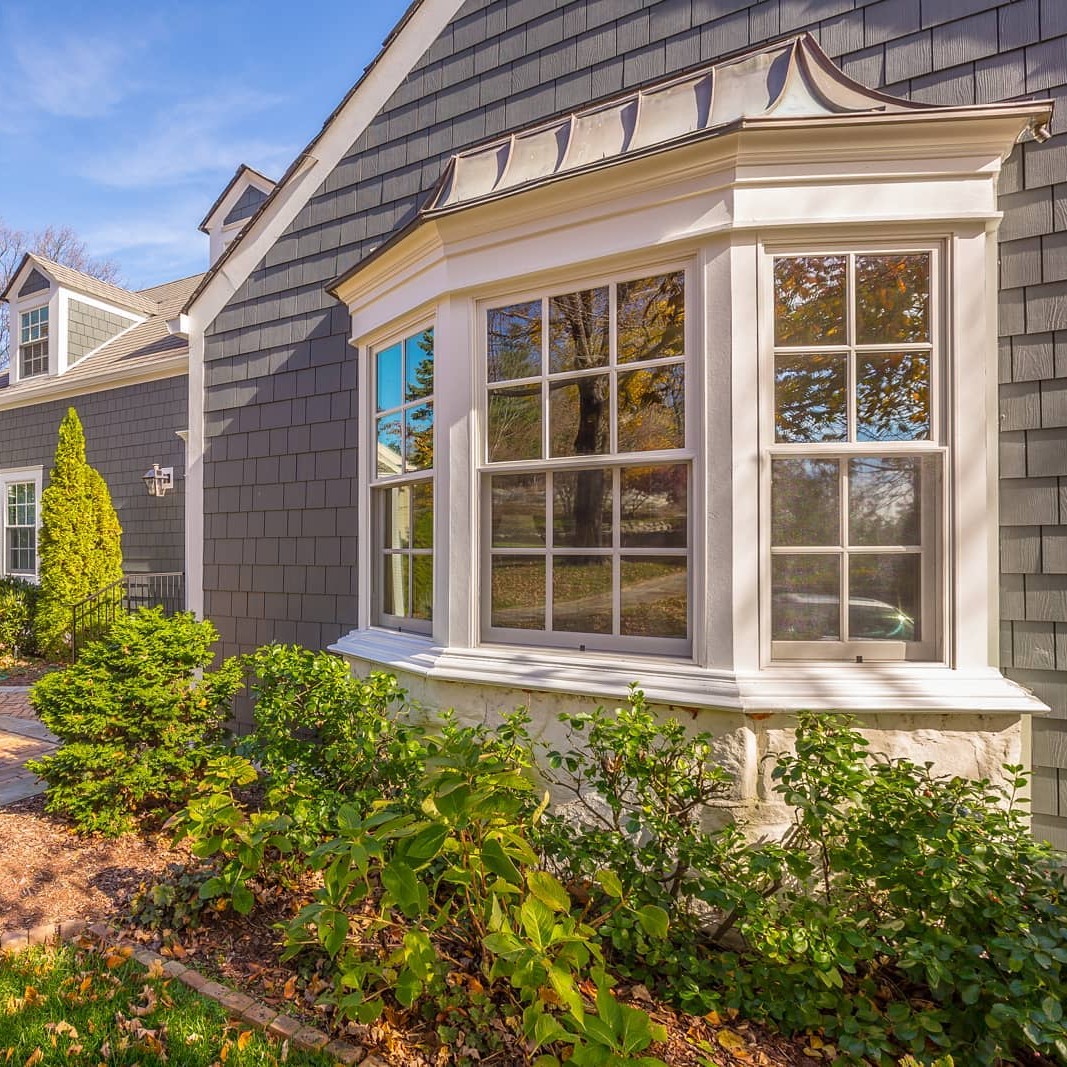
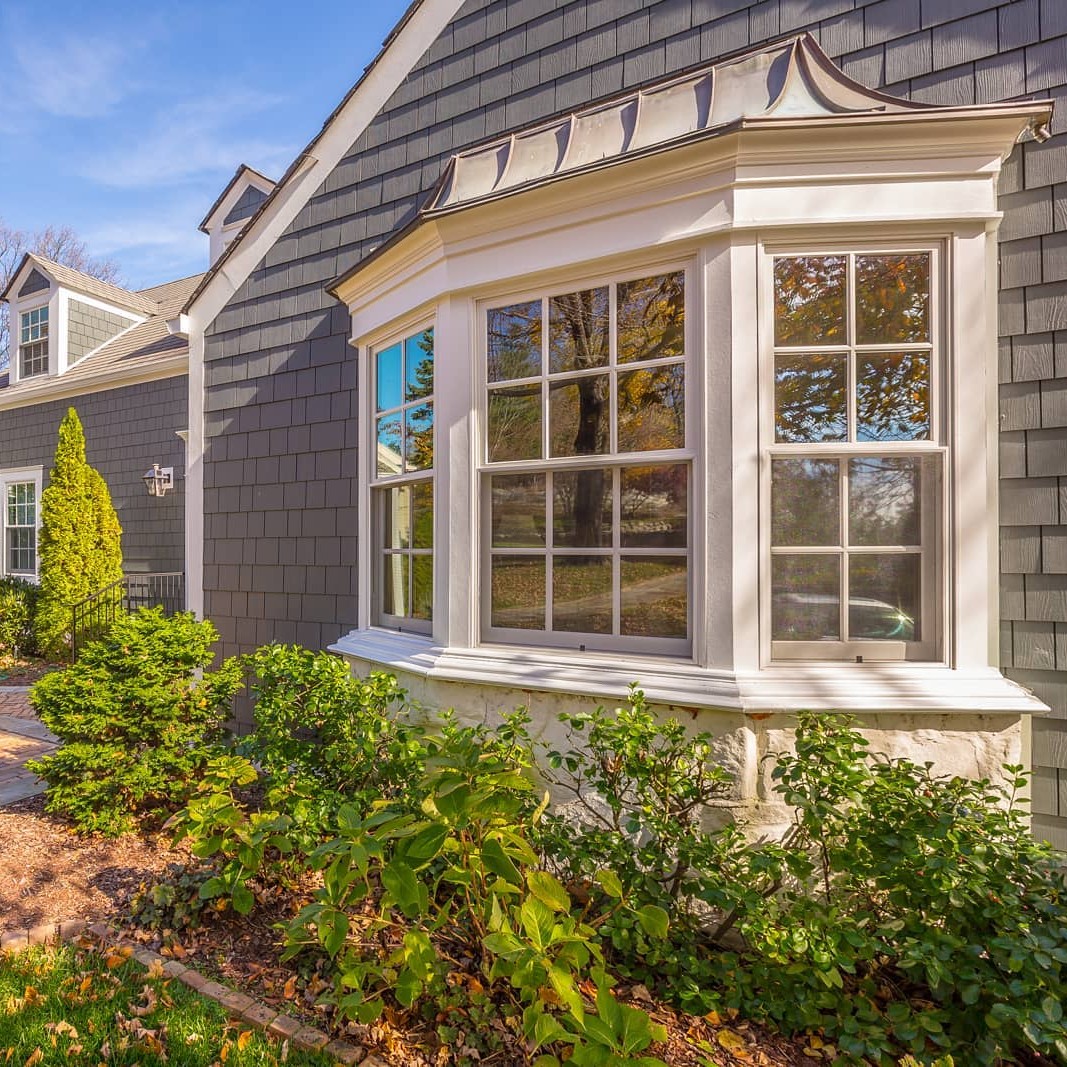
Looking to make a room feel bigger and brighter? Want to capture dramatic views and enhance your home’s curb appeal? Consider an Acclaim® bay or bow window. Also called projection windows, these windows add architectural interest while maximizing room space. Bay windows have three sides, and are available in four projection angles. Bow windows form a gentle arch of four, five, or six windows.
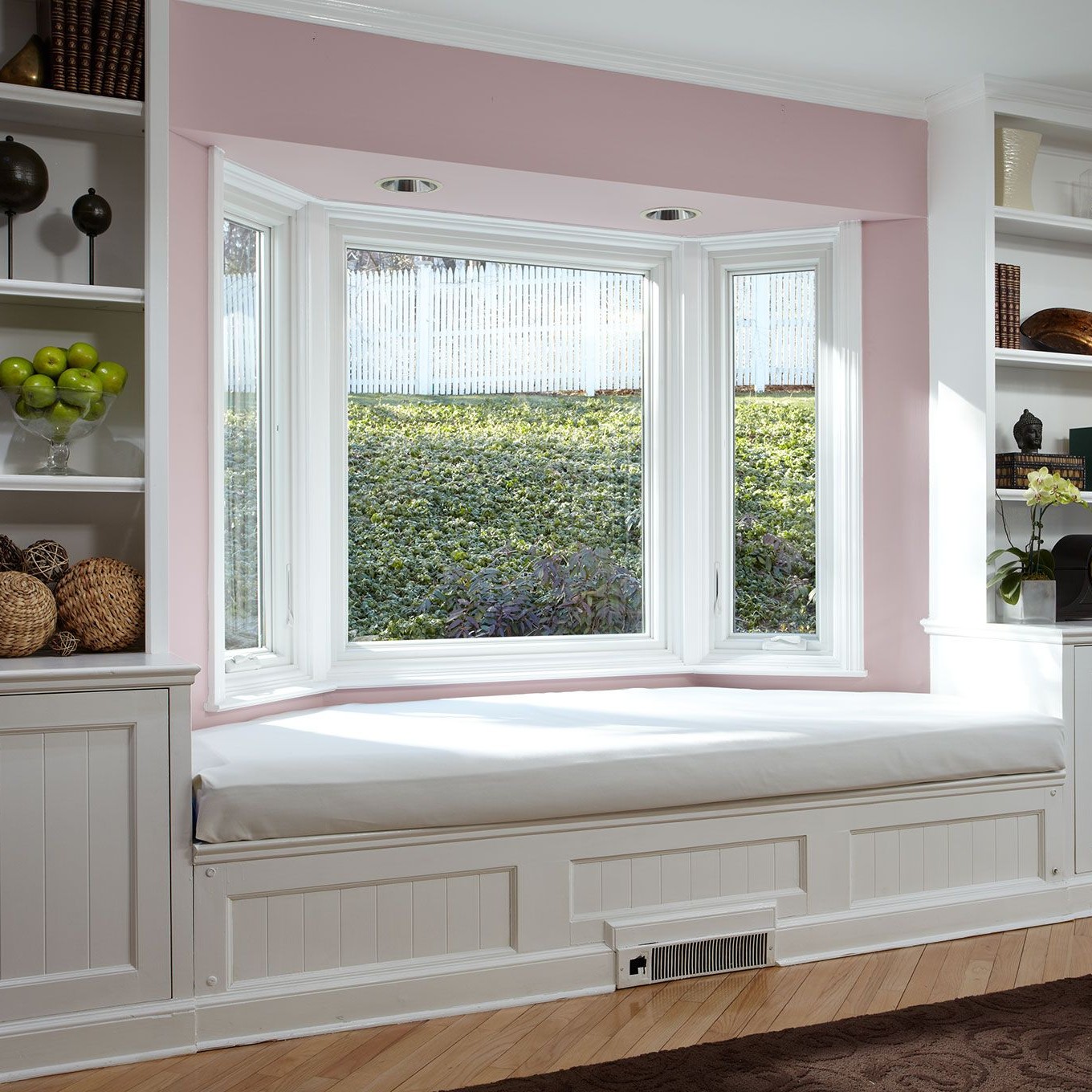
Live better: bay/bow windows are a great way to add additional shelving or storage space to a room—it’s like a room addition without changing your home’s footprint. Our highly efficient construction helps keeps cold air and drafts out, while letting the view in.
Renewal by Andersen® bay and bow replacement windows are an excellent choice for opening up a room and increasing the light and the viewing angle—up to twice the field of vision. They are also versatile, and can be used as a replacement in most large window openings.
Which Window Is Right for Your Home
The Difference Between Bay and Bow


Why Choose Bay or Bow Replacement Windows

FAQs About Bay Windows & Bow Windows
Want to know where you can install a bay window in your home? Curious about the difference between bay windows and bow windows? Maybe you'd like to investigate some of the advantages of this striking window style? If you've got questions, we've got answers. Check out some of our most frequently asked questions about one of the most customizable Acclaim® window styles: the projection (aka bay/bow) window.
Want to take an in-depth look about window replacement topics and products? Check out our resources section. For design inspiration, head over to our design library!
What is an Acclaim® replacement projection window?
Bay and bow windows are both projection windows—that means instead of being flush to the wall, they have an arced design made up of three or more panels that results in the window projecting from the wall on the exterior of the home, granting the viewer a wider, more unobstructed view.
Other types of projection windows include box bays and bump out bays.
What are the advantages to bay or bow replacement windows?
Projection windows offer valuable benefits that other windows cannot match, from functionality to form and make a dramatic statement.
Some of the common benefits of both bay and bow projection windows include:
- Enhanced natural light and ventilation. Because of their extra glass area, bay and bow windows invite more light into your room. If you choose a configuration that has operable sashes, such as a picture window flanked by two casements, you get the extra light AND the benefit of ventilation.
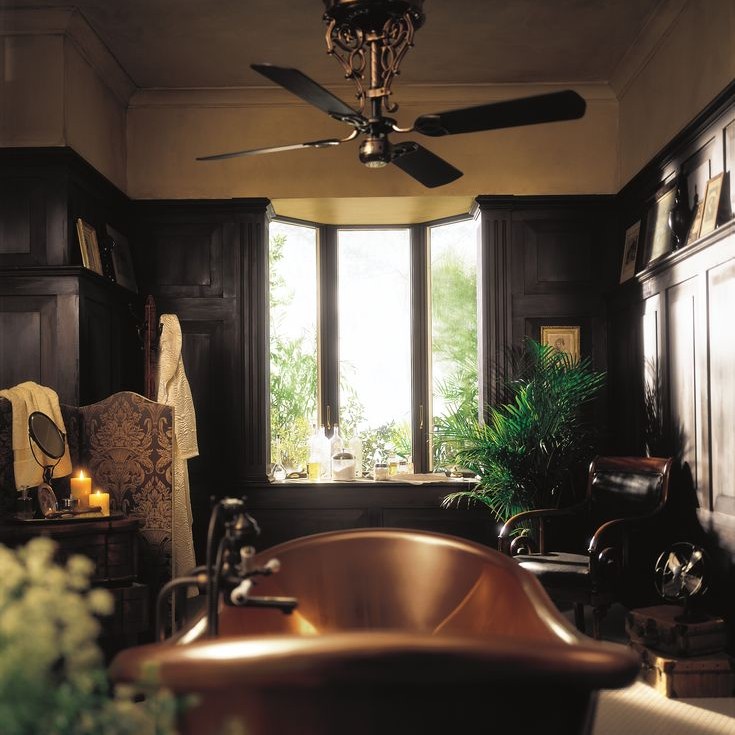
- Expanded views. A flat vantage point can only show so much. Depending on the design, projection windows can add up to double the field of vision over a standard picture window.
- Additional functional space. Bay and bow windows expand the usable space in your room—without changing the footprint of your home. Use it as a study or work area by creating a built-in desk into the window. Add a shelf or a shelf with storage—you’ll have an area for plants and pets to bask in the sun, display your artwork from your kiddos, or have a place to store linens, pillows, dishes/tableware, or toys and games.
What is the difference between a bay window and a bow window?
A bay window has three openings available in angled projections. Typically, it is comprised of a larger, flat center panel flanked by two smaller windows—most often, casements or double-hungs.
A bow window has three to six equal-sized openings that sweep out from the wall in a graceful arc, as opposed to the sharper angles of a bow.
Because it has a curve instead of corners, a bow window typically has more glass, more viewing area, and is larger than a bay. In addition, where a bay has a fixed panel and the option to have two venting flankers, a bow window can have all sections operable.
A bow window’s curved nature means it can wrap around corners, allowing from viewing on two sides of a room.
How is a bay window configured?
Renewal by Andersen offers bay windows in three-, four-, and five-window combinations. In the three-lite window (three-window combination), there is a single center picture window; in the four- and five-lite versions, the flat center section is made up of two or three windows, respectively.
Additionally, there are also box bay and bump-out bay windows. In both of those, the sides are at a right angle with the center window. A box bay is a three-lite window; a bump-out is a one-lite, and does not have windows on the sides, only in the center.
How much room do I need for a bay or bow window?
Picture windows can be very large or very small. Size limitations depend in part on how they are being used, what type of glass you have, or which options/upgrades you choose, but generally speaking, they have a width range of 10.5-108 inches, and a height range of 10.5-108 inches.* However, their measurements are constrained by a measurement called “United Inch Limitation”. Meaning, the height plus length must be at least 22 inches, and cannot exceed a set total of 170 inches.
There are also minimum and maximums depending on the combination. This means if you have a picture window where either the width or height is the minimum size of 10.5 inches, the other dimension must be at least 11.5 inches. (H)10.5” + (L)11.5” = 22”
Conversely, if you have a picture window where either width or height is the maximum of 108 inches, the other dimension cannot exceed 62 inches. (H)108” + (L)62” = 170”.
To sum it up, the long and the short of it is (no pun intended), picture windows have a wide range of sizes: you can get one not much bigger than an average-sized toaster oven...or have one made that's wider than your loveseat and taller than the installers who are putting it in!
*Not all glass options available in all size configurations. For specific maximum and minimum size combinations and glass options, schedule a consultation to speak with a design consultant.
What materials go into an Acclaim® bay window? Is Fibrex® material a good choice for a bay or bow window?
Fibrex® composite material is an excellent choice for a bay or bow window. All of our Acclaim® replacement windows are made from this proprietary composite.
One of the main advantages to Fibrex® material is its strength, durability, and longevity. It has twice the strength of vinyl, does not need painting or staining, and will not chip, rot, crack, peel, or corrode.*
In addition, our projection windows use high-performance weatherization flashing, tape, and sealants, along with aviation-grade cabling capable of holding 1,200 lbs per support.
*See limited warranty for details.
Is a bay window energy efficient?
Some homeowners are concerned that a window projecting out into the elements might be cold and drafty—but nothing is further from the truth with Renewal by Andersen® projection windows.
Our windows’ frame exterior features high-performance weatherization, flashing, tape, and paper. Vented soffit panels are installed on the bottom surface, providing air circulation to the exterior frame components. These components are designed to provide optimum weather-tight performance.
Pair that with our High-Performance™ Low-E4® SmartSun™ glass option and our sleek and strong Fibrex® composite material frames, and you have a showpiece that gives you the brilliance of natural light while maintaining the environment you need, no matter what the weather is like outdoors.
Are bay windows expensive? Which costs more, a bay or a bow?
Projection windows are typically in large openings. Compared to other windows that can fit a large opening, such as a picture window or even something like a sliding window, for example, bay and bow windows are much more complex. They have substantially more hardware, as well as all of the additional accessories—roofing, the supports, the interior customization for the bench, etc. Plus, remember whereas a picture window in a large opening is a single window, a bay in that same space may be made up of a picture window of similar size AND two operational windows.
So the complexity of the window will typically make it more expensive than a standard flush window in the same opening.
When comparing the different types of projection windows themselves, bow windows are larger, have more glass, and often more hardware. They can also require additional engineering in certain cases. All of this means that, in general, bow windows tend to be higher priced option of the pair.
Is a bay window customized?
ALL of our Acclaim® replacement windows are custom made to your exact specifications. Of course, projection windows take that to a whole new level!
Renewal by Andersen offers a variety of window styles, colours and finishes, hardware, and grille options to make sure your replacement window complements the architectural style of your home.
What’s more, with a projection window project, you will also be able to pick such touches as roof style and material, shelf and headboard material/fabrics/finishes, and more.
Download our projection window brochure, then visit a showroom or request a consultation. Our design consultants are happy to meet with you in your home at your convenience to listen to your needs and provide you with options and pricing information.
Replacement Window Options
Options
Colors
Hardware
Glass
Grilles
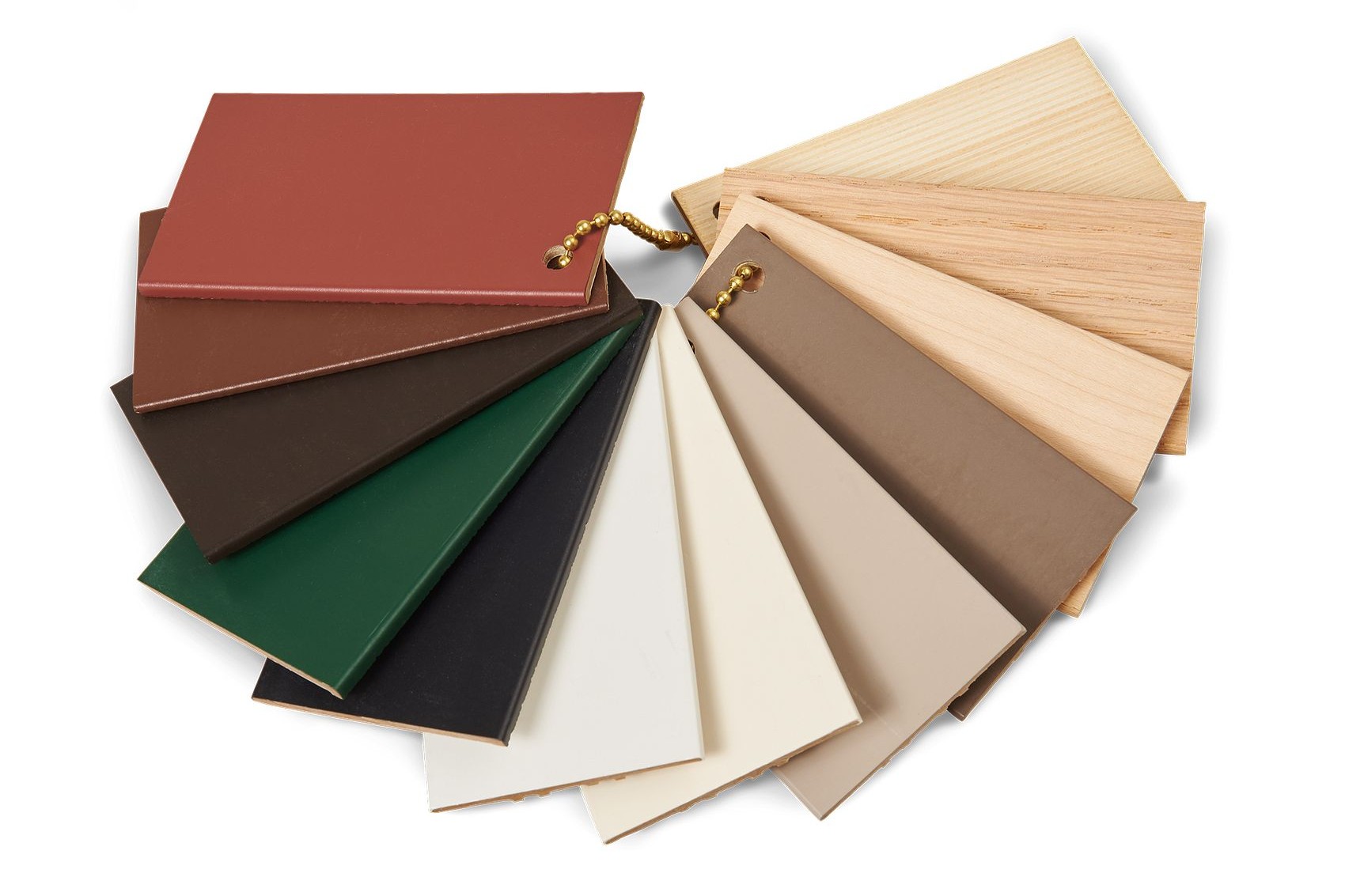
Colours
A colour for every home.
*See limited warranty for details.
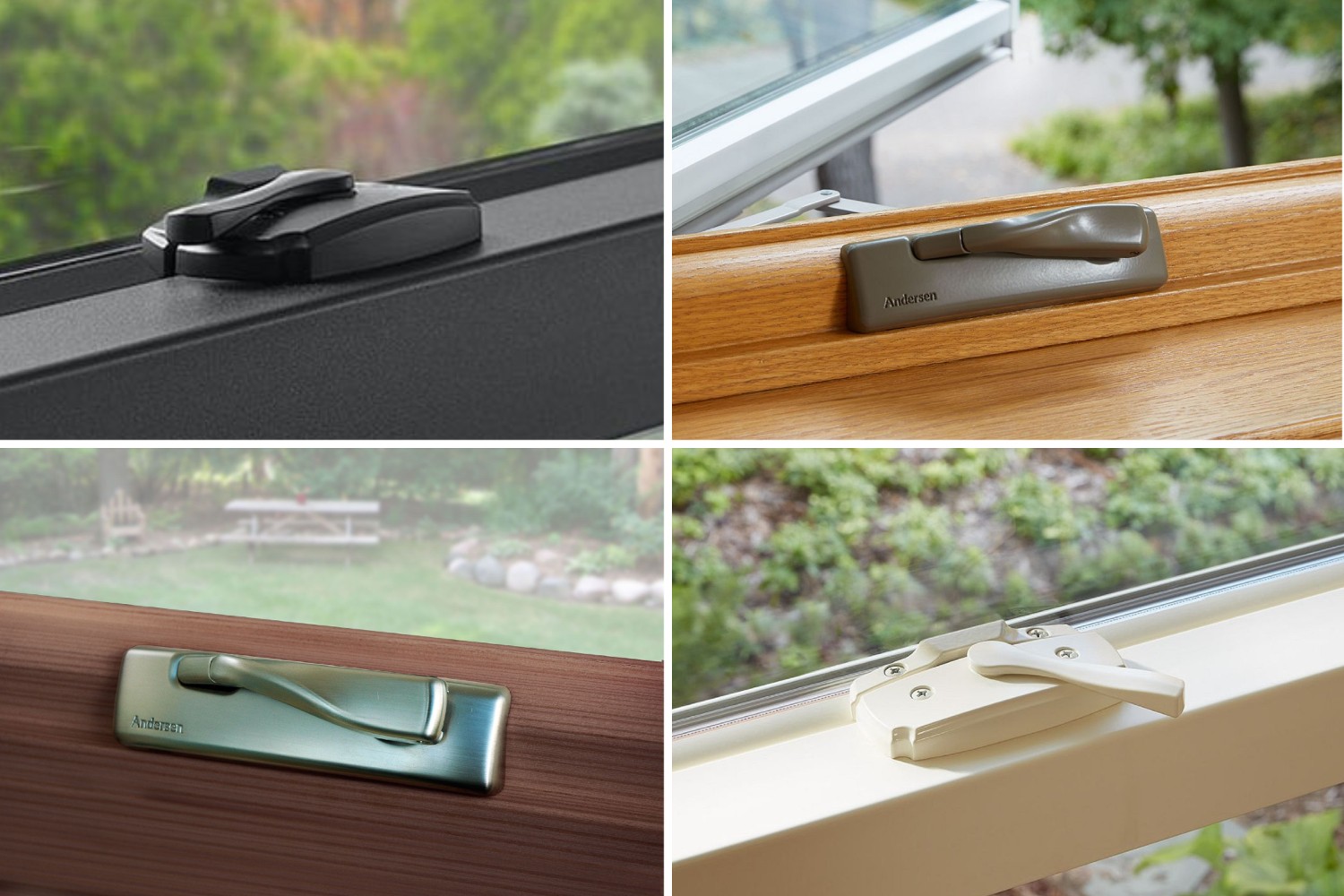
Hardware
What are your design options?
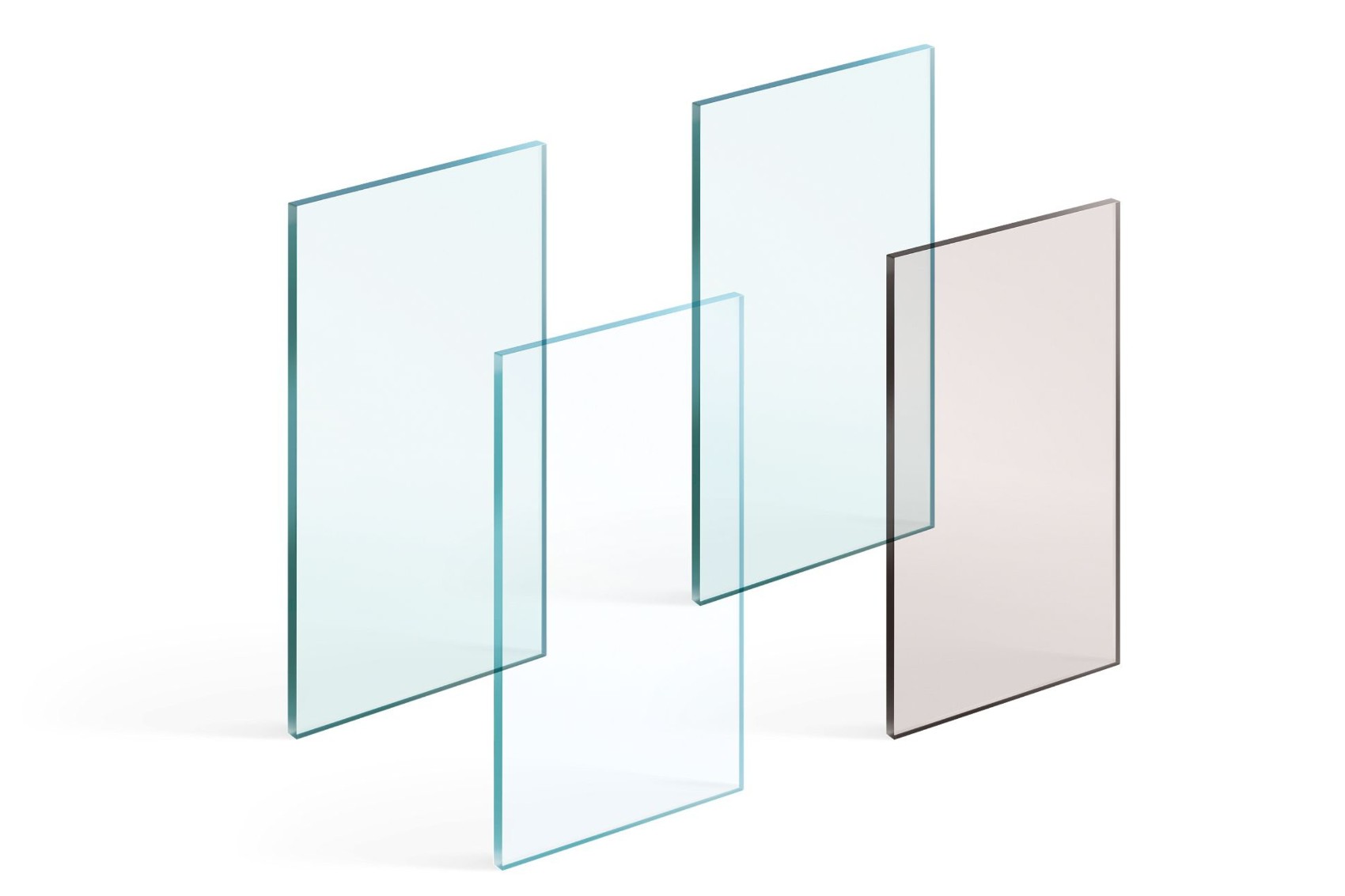
Glass
A clear choice.
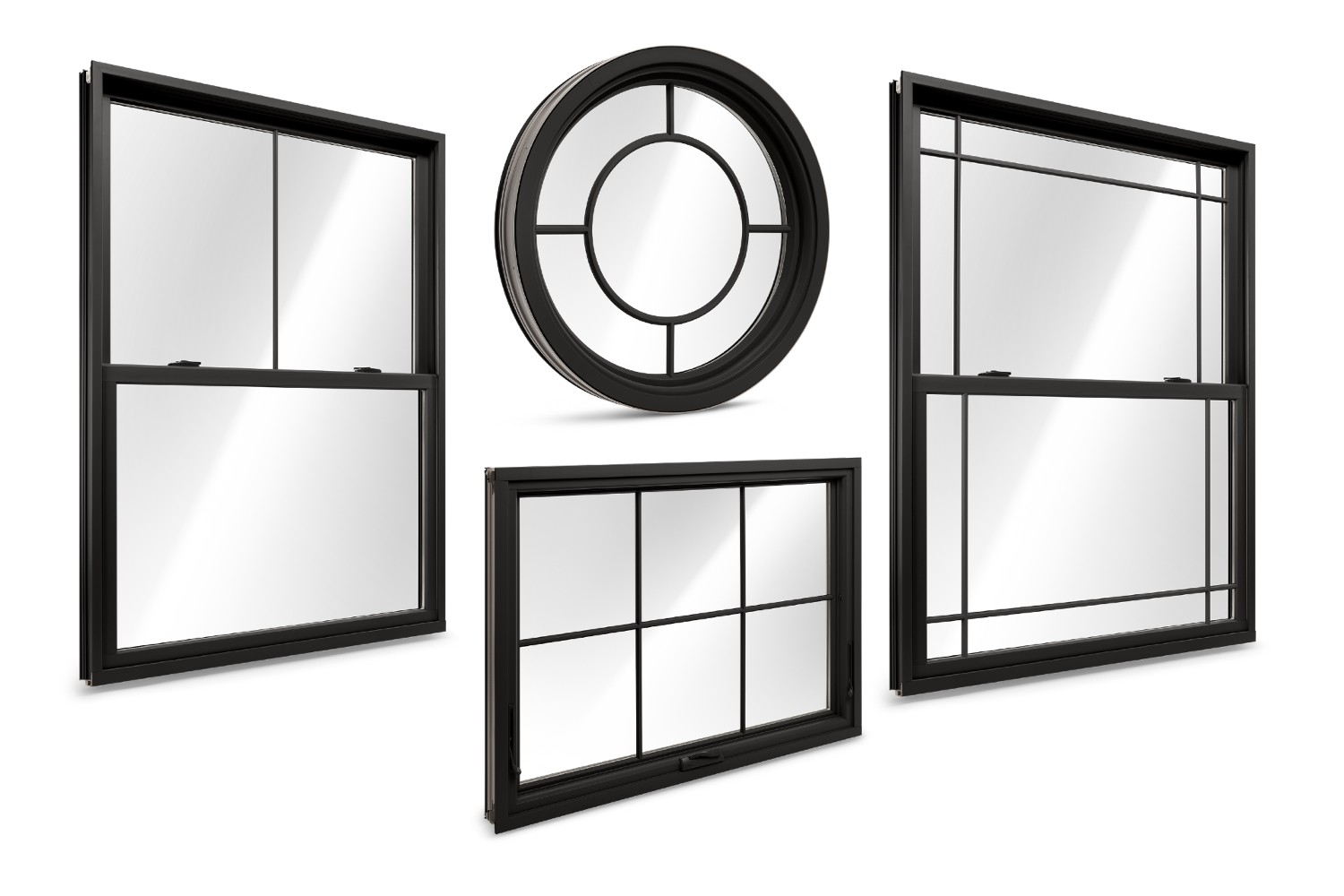
Grilles
Transform your look.
See Acclaim® bay and bow windows in real homes
Our Hassle-Free Process

Step 1
Design Consultation

Step 2
Measure and Manufacture

Step 3
Installation

Step 4